Value Is Not Always Obvious
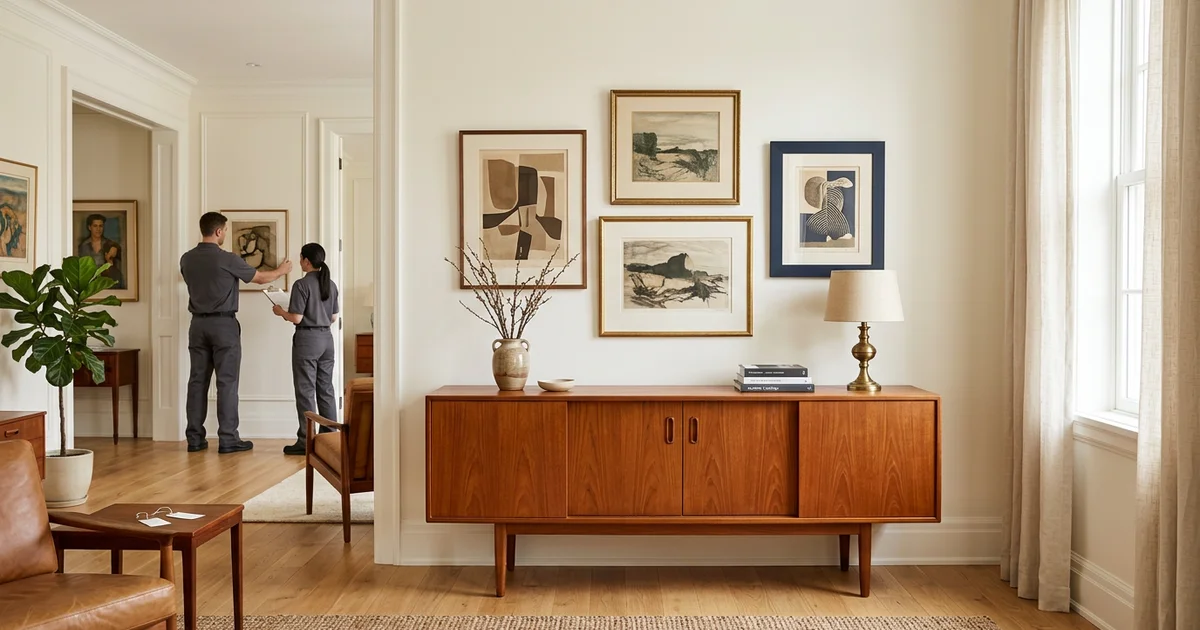
Families often expect the grand piano or the dining set to be the most valuable things in the house, and are surprised when it is the box of tools in the garage, a set of teak chairs, or a drawer of hallmarked silver. Knowing what tends to sell helps executors decide what to auction, what to donate and what to keep.
This guide reflects what we see when coordinating estate auctions for Toronto estates through MaxSold. Results always depend on condition, demand and the specific item.
Categories That Usually Sell Well
| Category | Examples | Notes |
|---|---|---|
| Mid-century furniture | Teak and walnut sideboards, chairs, tables | Strong, steady demand |
| Original art | Paintings, signed prints, sculpture | Signatures and provenance help |
| Sterling silver | Flatware, tea services, serving pieces | Hallmarks matter |
| Jewelry and watches | Gold, gemstones, vintage watches | Fine jewelry separated from costume |
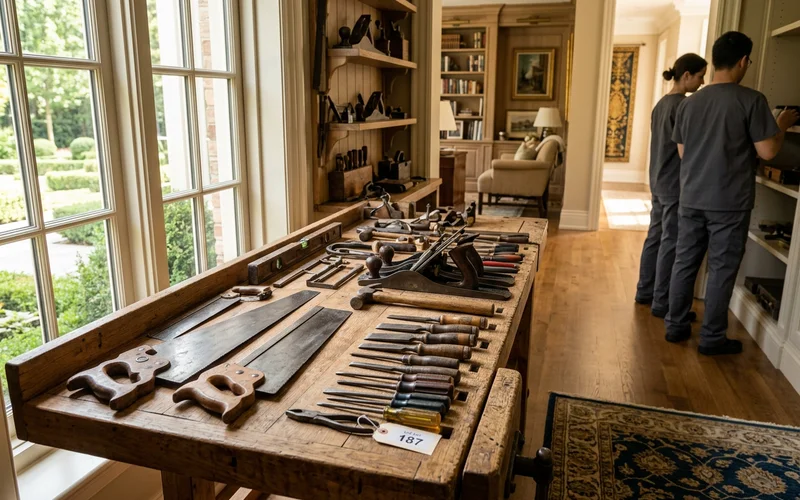
| Quality tools | Hand planes, chisels, power tools | Often grouped as lots |
| Collections | Coins, stamps, records, militaria, toys | Complete sets do best |
| Vintage electronics | Turntables, cameras, audio | Working condition matters |
| Rugs and lighting | Hand-knotted rugs, designer lamps | Condition and maker matter |
What Usually Does Not Sell
Some items are hard to sell at any price, even in good condition:
- Large traditional dining and bedroom sets, such as dark wood suites.
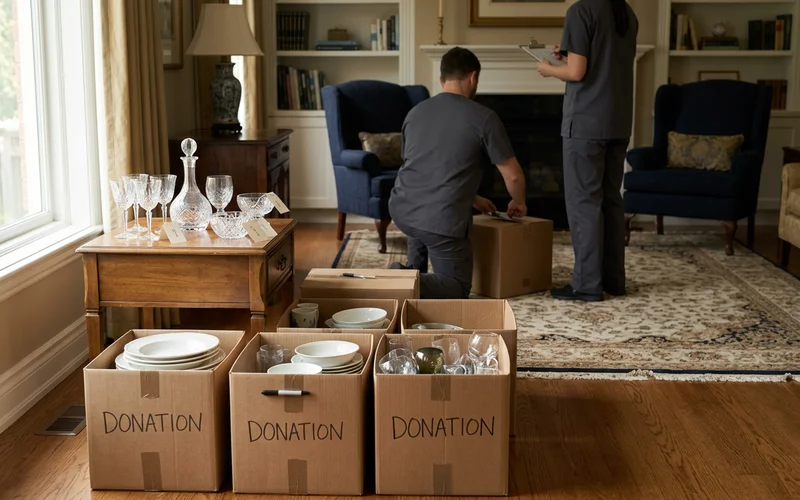
- Everyday dishes, glassware and cookware.
- Particleboard furniture.
- Older televisions and electronics with little collector interest.
- Linens, most clothing and household textiles.
- Encyclopedias and common books.
These items usually do far more good as donations. Usable pieces go to Habitat for Humanity ReStore, Salvation Army, Toronto Goodwill and community furniture banks, with receipts in the estate's name.
How Lots Are Grouped
Grouping turns modest items into attractive lots. A single chisel might draw no bids, but a lot of quality woodworking tools can draw many. We group by category, quality and buyer interest: a lot of matching crystal, a lot of garden tools, a lot of vintage cameras. Valuable single items, such as a painting or a piece of jewelry, are listed alone.
A Real Example
In Rosedale, Richard L.'s family had a previous crew that tore through his grandmother's china cabinet without asking. When we took over, we stopped, catalogued every piece and checked the rest of the home properly. The auction brought in $14,200 from contents the other crew had been about to throw away.
Identify before you donate
The most common way estates lose value is donating or discarding before anyone has looked. Have trained sorters check the home first. Our guide to items worth appraising lists what to look for.
Getting the Best Result at Auction
A few practical steps help lots perform well:
- Clean, do not restore. Dusting helps. Polishing silver or refinishing furniture can reduce value.
- Keep sets together. Complete china services, matching chairs and full collections attract more bidders.
- Photograph marks. Signatures, hallmarks and maker's labels give buyers confidence.
- Describe honestly. Clear condition notes prevent disputes at pickup.
- Time the wave. Large estates do better with valuable items in their own wave.
What Families Often Get Wrong
The most common mistakes are throwing out boxes of what looks like old stuff before anyone checks them, and holding back items for sentimental reasons and then donating them later anyway. If an item matters to the family, keep it. If it does not, let a trained eye look at it before it goes to donation.
A Quick Self-Check Before You Donate
Before anything goes to donation, ask four questions about each item. Does it have a maker's mark, signature or hallmark? Is it solid wood, sterling silver, real stone or another quality material? Is it part of a complete set or collection? Was it kept carefully, in a box, a case or a locked drawer? A yes to any of these is a reason to set the item aside for a closer look before it leaves the home.
Who Decides
You do. After the family has reviewed keepsakes, we recommend auction candidates with photos, and the executor approves the list. Anything the family is unsure about can be held back. The fee is 15% of hammer price with no upfront cost, and every lot's result is recorded in the documentation package.
Knowing what sells helps you set realistic expectations and make better choices about what goes where. When in doubt, ask before you donate. If you are still choosing a format, our comparison of MaxSold vs an estate sale sets out the trade-offs.