Look Before Anything Leaves
The most expensive mistake in estate clearing is invisible: valuable items donated or discarded before anyone recognised them. Executors rarely know which household items are worth a closer look, and that is understandable. This guide lists the categories that most often deserve attention, the signs of value to watch for, and the items families most often lose by mistake.
It reflects the approach of our estate content appraisal and inventory service. Our sorters are trained and experienced, not certified appraisers. When the estate needs a certified value, we prepare the ground for an independent appraiser.
Categories Worth a Closer Look
| Category | Examples | Signs of value |
|---|---|---|
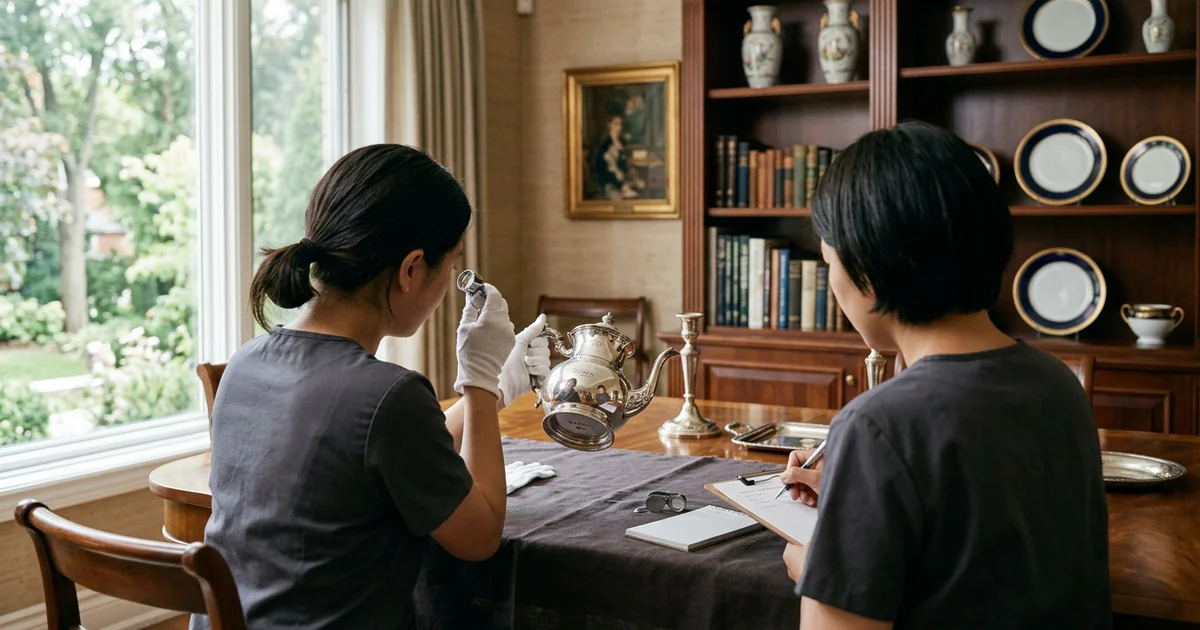
| Silver | Flatware, tea services, trays | Hallmarks, weight, maker's marks |
| Jewelry and watches | Rings, brooches, wristwatches | Stamps (10K, 14K, 925), maker names |
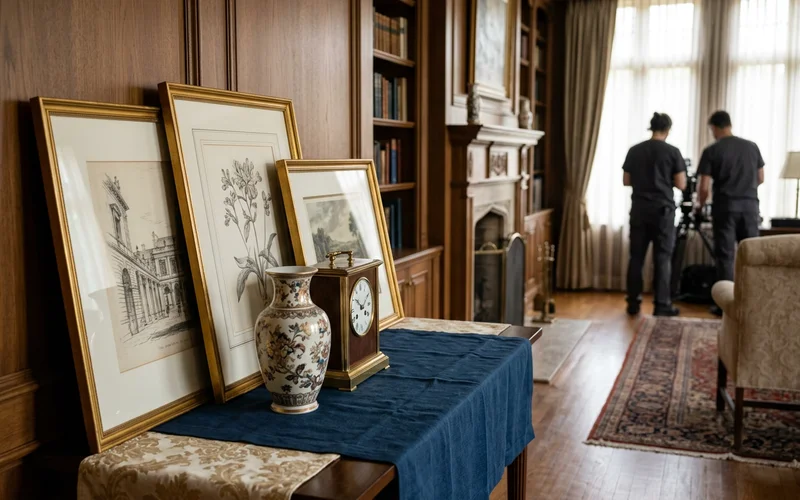
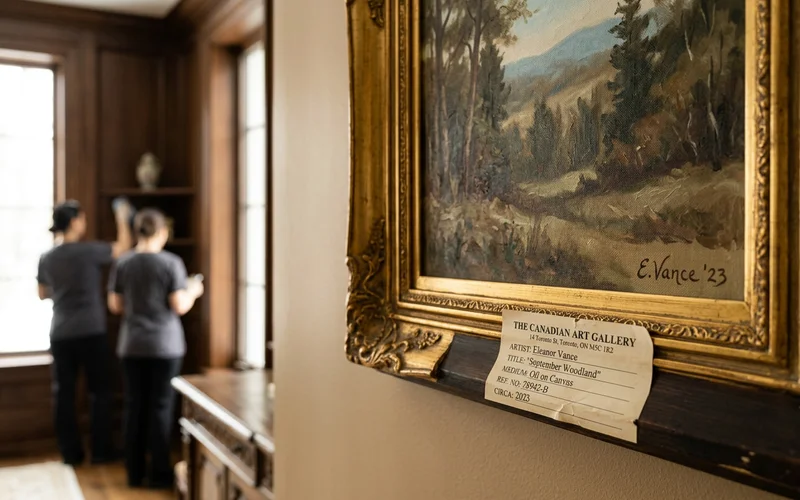
| Art | Oil paintings, signed prints, sculpture | Signatures, gallery labels, provenance papers |
| China and porcelain | Dinner services, figurines | Backstamps, complete sets |
| Furniture | Mid-century, antiques | Maker labels, solid wood, dovetail joints |
| Clocks | Mantel, wall, grandfather clocks | Maker's name, working movement |
| Tools | Hand planes, chisels, quality power tools | Brand names, condition |
| Collections | Coins, stamps, records, militaria | Completeness, rarity, condition |
| Books and papers | First editions, maps, documents | Age, condition, signatures |
| Rugs | Hand-knotted rugs | Knot density, fringe, back of rug |
Signs That Something May Be Valuable
- Marks and labels. Hallmarks on silver, backstamps on china, maker labels inside drawers, gallery labels on frames.
- Weight and materials. Solid wood, heavy silver, real stone.
- Paperwork. Receipts, appraisals, certificates or letters kept with an item.
- Where it was kept. Items stored carefully, in boxes or locked drawers, often mattered to the owner.
- Age and condition. Older items in good condition, especially complete sets.
Items Often Discarded by Mistake
From our experience across Toronto homes, these are the items most often lost when a house is cleared too quickly:
- Silver in kitchen drawers, mistaken for everyday cutlery.
- China in basement boxes, assumed to be old dishes.
- Jewelry hidden in clothing, books or sewing boxes.
- Art stored behind furniture or in closets.
- Quality tools in garages, assumed to be worthless.
- Records, cameras and audio equipment in closets.
- Paperwork that proves an item's value or origin.
A real example
In Rosedale, a previous crew tore through a grandmother's china cabinet without asking. When we took over and catalogued everything properly, the auction recovered $14,200 from contents that crew had been about to throw away.
What Happens After Identification
Items of possible value are photographed and logged in the inventory. The executor then decides their destination: beneficiaries, MaxSold auction at 15% of hammer price with no upfront cost, storage, or a formal appraisal first. Our guide on what sells at auction explains which categories tend to do well online.
Room-by-Room Places to Check
| Room | Where to look | What is often found |
|---|---|---|
| Dining room | Sideboards, china cabinets | Silver, crystal, fine china |
| Bedroom | Dresser drawers, closets, jewelry boxes | Jewelry, watches, cash |
| Study | Desk drawers, bookshelves, filing cabinets | Papers, stamps, coins, first editions |
| Living room | Walls, behind furniture, display cabinets | Art, clocks, figurines |
| Basement | Trunks, shelves, workshop | Tools, collections, older furniture |
| Attic | Boxes, trunks | Letters, photographs, vintage clothing |
| Garage | Workbenches, cabinets | Quality tools, vintage equipment |
Keep Value and Sentiment Separate
Some items are valuable, some are sentimental, and a few are both. Keep the two questions separate. A teacup set may be worth little at auction but mean everything to a granddaughter. A painting may be worth a great deal but mean nothing to anyone in the family. Identify value first, then let the family decide based on meaning. Recording both in the inventory helps the executor make fair decisions.
When to Bring In a Certified Appraiser
Your estate lawyer may want a certified valuation for high-value items, for insurance, tax reporting or fairness between beneficiaries. When that happens, our inventory and photographs give the appraiser a head start. The inventory itself is included in every estate clearing scope.
Not every home holds hidden treasure. But almost every home holds something worth a second look, and the only way to find it is to look before anything leaves.