
Why Valuables Go Missing in Estate Clearings
Older adults often keep important things in unexpected places. A generation that lived through hard times may distrust banks, hide cash for emergencies, or tuck documents where they will not be lost. Add decades of accumulation and the result is a home where a ring, a bond certificate or the latest will can be sitting inside a book, a coat pocket or a coffee tin.
That is why room-by-room estate clearing matters. A crew that empties shelves into bags will never find these items. A crew that checks every drawer, box and pocket will.
The Most Common Hiding Places
From our work across Toronto homes, these are the places where families most often find cash, jewelry and important papers:
| Location | What we often find |
|---|---|
| Books and bibles | Cash, letters, photographs, certificates pressed between pages |
| Clothing and coat pockets | Cash, jewelry, receipts, keys |
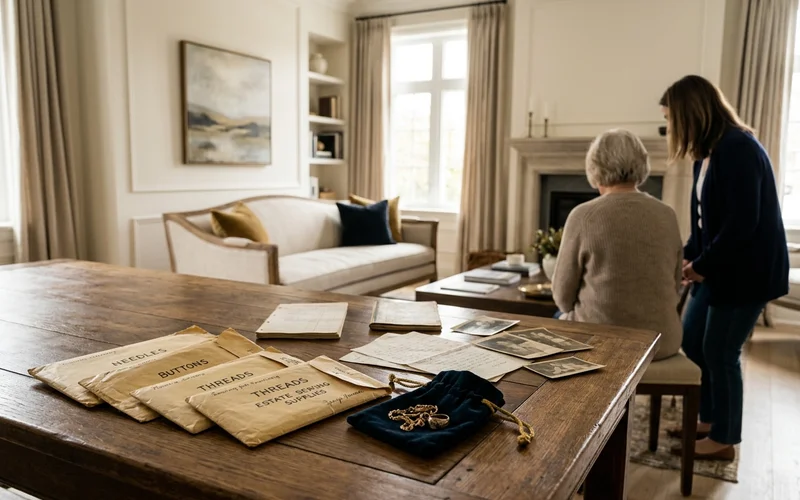
| Sewing boxes and button tins | Rings, coins, small jewelry |
| Kitchen canisters and freezers | Cash wrapped in foil or plastic |
| Desk drawers and false bottoms | Bank papers, bonds, wills, passwords |
| Under mattresses and rugs | Envelopes of cash, documents |
| Basement shelves and trunks | Coin and stamp collections, silver, old share certificates |
| Garages and workshops | Tools of value, coin jars, documents in toolboxes |
| Picture frames | Certificates or cash behind the backing |
| Holiday decoration boxes | Family jewelry stored with ornaments |
Financial Papers to Watch For
Executors need paper trails. As we sort, we set aside and log anything that might matter to the estate, including:
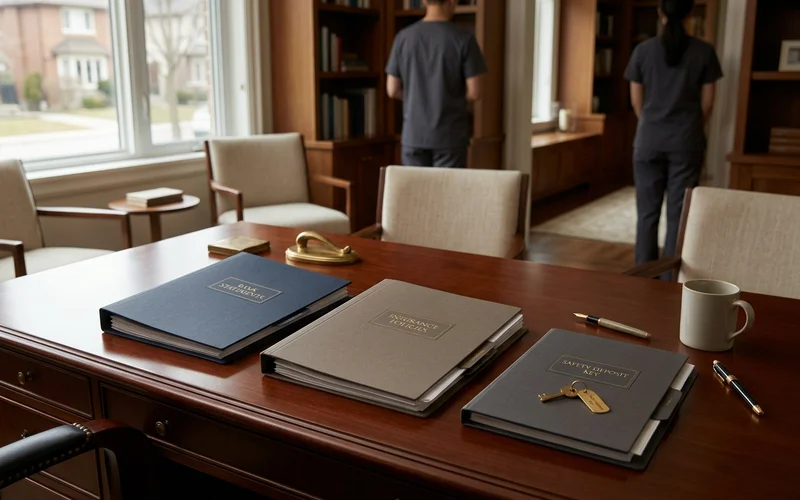
- Bank and investment statements, even old ones, which can point to accounts no one knew about.
- Insurance policies, life and property.
- Pension and benefit records, including foreign pensions.
- Share certificates and bonds, sometimes decades old and still valid.
- Property and vehicle documents, deeds, mortgages, registrations.
- Tax returns and notices of assessment, which your accountant will need.
- Keys, especially small keys that may open a safety deposit box.
- Wills, codicils and handwritten notes about wishes.
Tell us what you are looking for
If your lawyer has asked for a specific document, or a family member remembers a particular ring, tell us at the consultation. Our crew keeps a running list and checks every item against it.
How We Search Without Making a Mess
Careful does not mean slow for its own sake. Our crews work systematically: one room at a time, one piece of furniture at a time, top to bottom. Every book is fanned, every pocket checked, every container opened. Items of possible value are photographed and logged before they move. Cash is counted, logged and handed to the executor.
Everything found is recorded in the documentation package, so there is a clear record of what was found, where, and who received it.
What a Rushed Clear Costs
In Rosedale, Richard L.'s family learned this the hard way. A previous crew had torn through his grandmother's china cabinet without asking. When we took over, we stopped, catalogued every piece and checked the rest of the home properly. The auction later returned $14,200 from items the other crew had been about to throw away. Hidden value is rarely dramatic. It is usually ordinary things no one stopped to look at.
A Sample Findings Log
As we sort, everything of possible importance is logged so the executor can see what was found and where.
| Room | Found | Handed to | Notes |
|---|---|---|---|
| Primary bedroom | Envelope of cash in a coat pocket | Executor | Counted and logged |
| Study | Share certificates in a desk drawer | Executor | Flagged for estate lawyer |
| Dining room | Hallmarked silver in a sideboard | Auction review | Photographed for MaxSold |
| Basement | Coin collection in a toolbox | Executor | Held for appraisal decision |
| Kitchen | Safety deposit key in a canister | Executor | Flagged for bank |
Why Families Often Miss These Items
Families sorting a parent's home are usually tired, grieving and short on time. They open the obvious places and skip the rest. A coat goes into a donation bag with an envelope still in the pocket. A box of old books goes to the curb with a bond certificate inside. None of this is careless; it is simply what happens when people are asked to do too much at once. A trained crew that checks every container, every time, removes that pressure and gives the executor a complete record.
What You Can Do Now
- Secure obvious valuables: jewelry boxes, known cash, firearms and important papers.
- Collect mail, which often reveals accounts and policies.
- Note anything the family remembers about where your loved one kept things.
- Resist the urge to start bagging. Let a trained crew do the methodical sort.
Families are often surprised by what turns up. With a careful, room-by-room approach, the important things get found, and the executor gets a record of every one of them.