Preparation Makes the Sale
An on-site estate sale can recover real value and clear a lot of contents in a weekend. It can also go badly: keepsakes sold by mistake, items under-priced, a crowd in the hallway and neighbors upset about parking. The difference is almost always preparation.
This guide sets out the steps we follow in estate sale preparation for Toronto homes. Allow two to three weeks from the decision to hold a sale to the sale itself.
Step 1: Remove Keepsakes and Promised Items
Before anything is priced, remove everything the family wants to keep, everything promised to a beneficiary, and anything still undecided. Photographs, letters, personal papers and jewelry should never be in a sale room. Hold them in a locked room or off site.
Step 2: Identify Items Better Suited to Auction
Some items sell for more online, through competitive bidding, than at a fixed-price sale. Art, sterling silver, fine jewelry and collections are often better routed to MaxSold. Decide this before pricing so they do not go out the door at sale prices.
Step 3: Plan the Layout
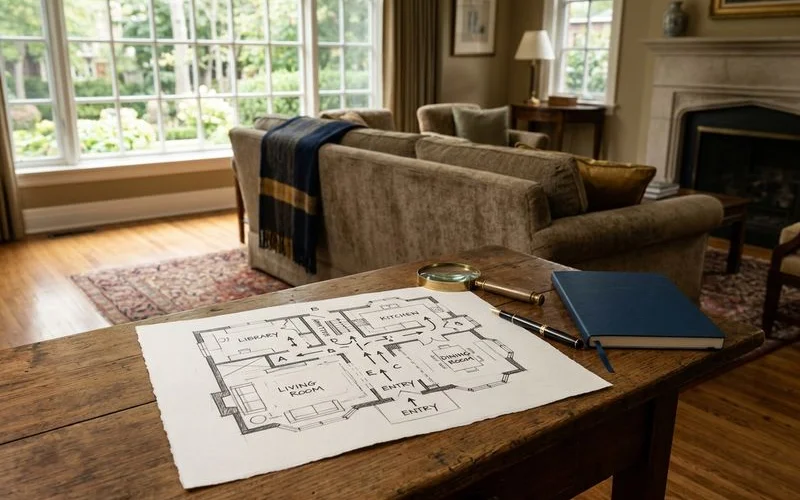
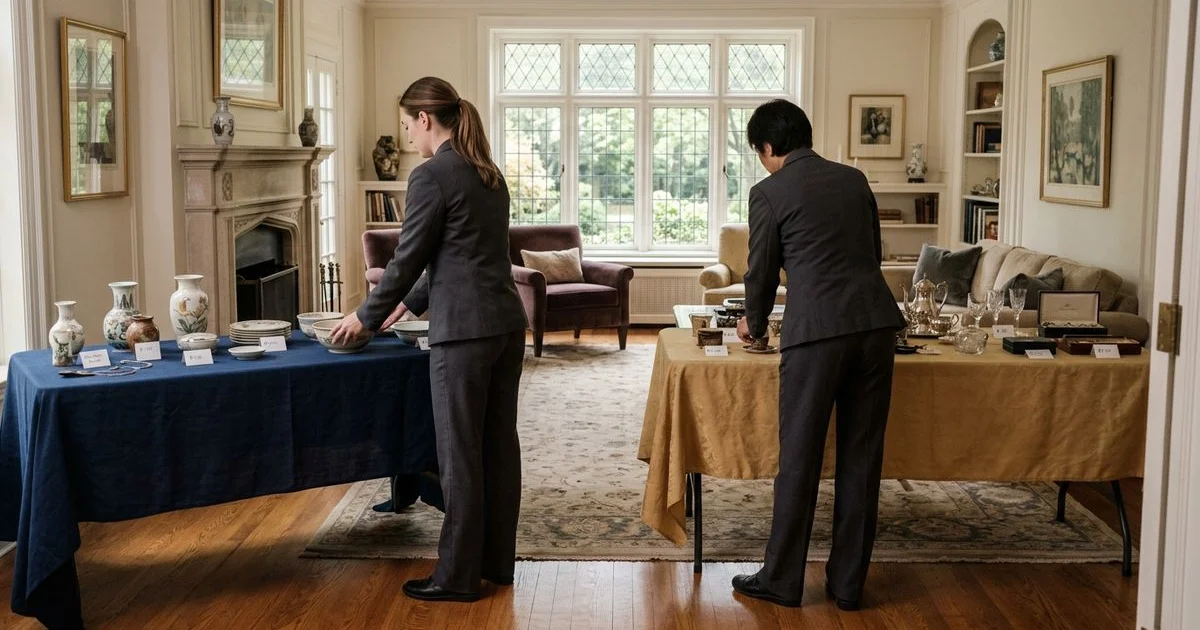
Decide which rooms are open and which are closed. Plan a one-way route through the home if possible, with a single entrance and a single checkout. Group similar items together: kitchenware in the kitchen, tools in the garage, linens in a bedroom. Use draped tables for small items so they are easy to see.
Step 4: Clean, Group and Display
Dust, wipe and arrange items so they show well. Group sets together. Put the most attractive items where buyers will see them first. Protect floors with runners and cover woodwork at tight corners.
Step 5: Price and Tag

Price based on what similar items actually sell for, not on what they cost new or what they mean to the family. Tag clearly. Keep a price list for larger items. The executor approves pricing before the sale opens.
| Item type | Pricing approach |
|---|---|
| Furniture | Based on recent comparable sales |
| Kitchenware and linens | Low, priced to move |
| Tools and garden equipment | Moderate; often popular |
| Collectibles | Researched individually or sent to auction |
| Bulk items | Priced by box or table |
Step 6: Plan for Neighbors and Parking
In neighborhoods like High Park, Leaside, Lawrence Park and the Annex, street parking is limited and neighbors notice. Set clear hours, consider a courtesy note to immediate neighbors, and avoid blocking driveways. Our own vehicles are plain white unmarked vans parked out of the way.
Step 7: Staff the Sale
Plan for someone at the door controlling entry, someone at checkout, and staff in each open area. Close private rooms and secure valuables. Our guide on estate sale security covers this in detail.
Plan for the day after
Most sales leave unsold items. Decide in advance which go to auction, which go to Habitat for Humanity ReStore, Salvation Army or Toronto Goodwill, and which are recorded as disposal.
A Two-to-Three-Week Preparation Timeline
| When | Task |
|---|---|
| Week 1 | Family removes keepsakes; auction candidates identified and set aside |
| Week 1 | Sale dates chosen; neighbors and parking considered |
| Week 2 | Rooms organized, items cleaned and grouped, tables draped |
| Week 2 | Pricing and tagging; executor approves price list |
| Week 3 | Floors and woodwork protected; private rooms closed |
| Sale days | Door control, checkout, staff in each room |
| After | Unsold items routed; home cleared to broom-clean |
Should the Family Attend the Sale?
Many families find it hard to watch strangers carry a parent's belongings out the door. There is no need to be present. If you prefer to stay away, we run the sale and send you a summary afterward. If you would like to attend, consider coming at the end of the last day, when the house is quieter. Either way, the most personal items will already have been removed, so nothing of real meaning is on the tables.
After the Sale
Unsold items are sorted again and routed according to the plan, and the home is cleared to broom-clean condition, ready for listing. Sale records, auction results and donation receipts go into the executor's documentation package. Most sale preparation projects fall in our partial ($2,500 to $4,500), standard ($4,500 to $9,000) or large ($9,000 to $18,000) tiers, including post-sale clearing.